Suspended Fallout
The Suspended Fallout isolates the Abdominals through a controlled range of motion. This intermediate-level other exercise builds focused strength where compound movements often fall short.
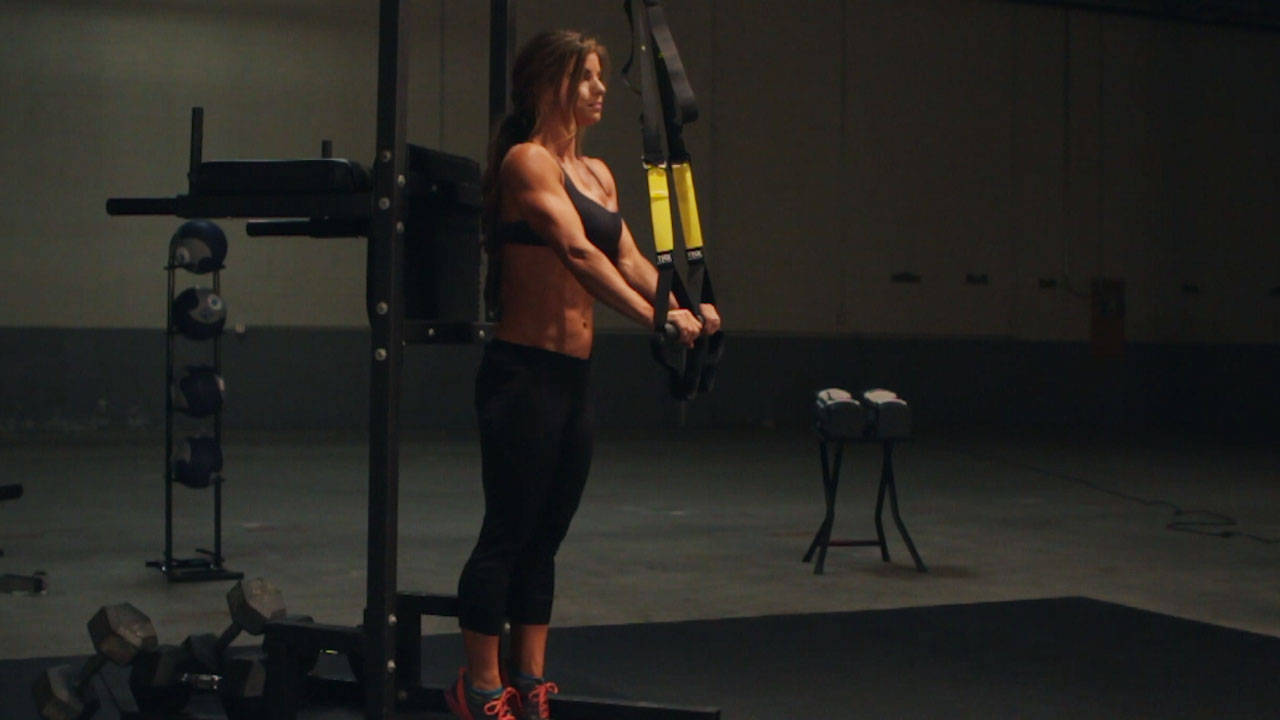
Starting position
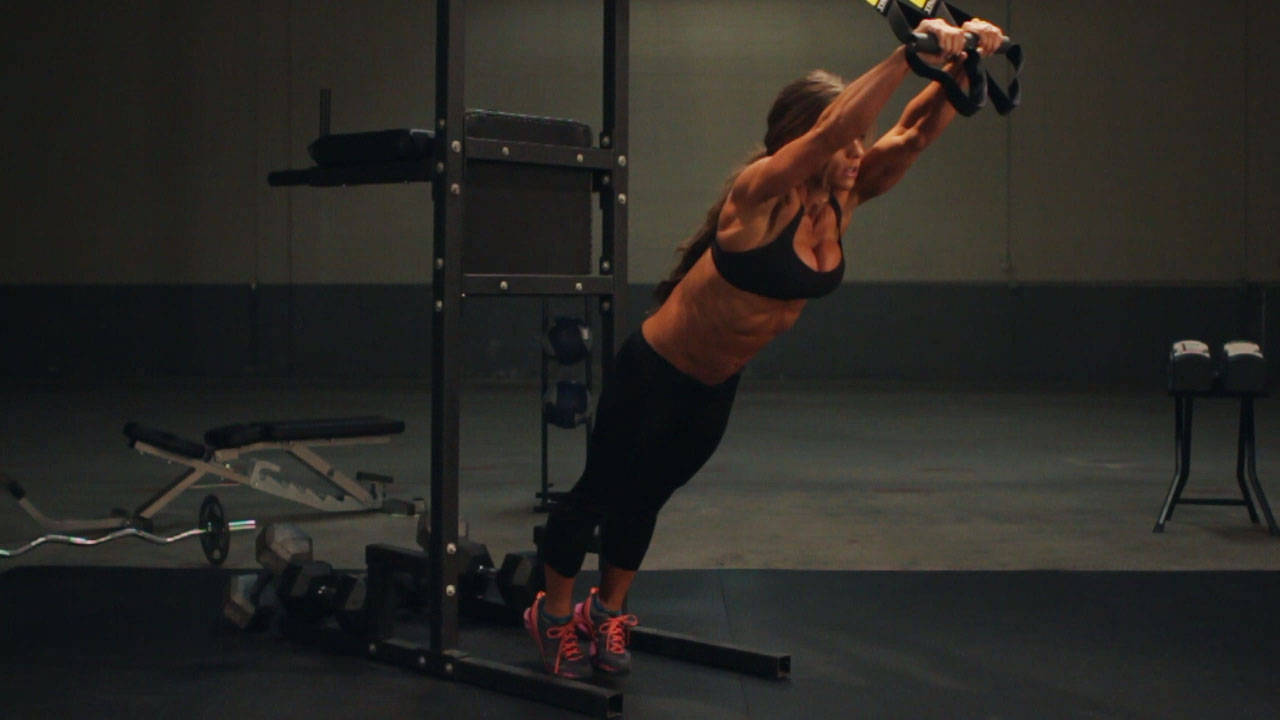
Ending position
Muscles Worked
The abdominals handles the primary load during this movement. The chest and lower back and shoulders assist as stabilizers throughout the range of motion.
How to Suspended Fallout
- 1
Adjust the straps so the handles are at an appropriate height, below waist level.
- 2
Begin standing and grasping the handles. Lean into the straps, moving to an incline push-up position. This will be your starting position.
- 3
Keeping your arms straight, lean further into the suspension straps, bringing your body closer to the ground, allowing your shoulders to extend, raising your arms up and over your head.
- 4
Maintain a neutral spine and keep the rest of your body straight, your shoulders being the only joints allowed to move.
- 5
Pause during the peak contraction, and then return to the starting position.
Common Mistakes
- • Focus on the mind-muscle connection — feel the target muscle working through each rep.
- • Use a controlled tempo of 2 seconds up, 2 seconds down to eliminate momentum.
- • Squeeze at peak contraction for a full second — this is where most of the growth stimulus occurs.
Similar Exercises
Frequently Asked Questions
What muscles does the Suspended Fallout work?
The Suspended Fallout primarily works the Abdominals. Secondary muscles include the Chest, Lower Back, Shoulders, which assist during the movement.
Is the Suspended Fallout good for beginners?
The Suspended Fallout is rated intermediate. Beginners should build foundational strength with simpler movements first, then progress to this exercise once comfortable with the movement pattern.
What equipment do I need for the Suspended Fallout?
You need other to perform the Suspended Fallout. Most commercial gyms will have this available.
Track Your Progress
RepStack logs every set, calculates your e1RM, and coaches progressive overload — automatically.