Glute Ham Raise
The Glute Ham Raise is a intermediate compound movement that activates 3 muscle groups simultaneously. It primarily targets the Hamstrings, making it one of the more efficient exercises in RepStack's 873-exercise database.
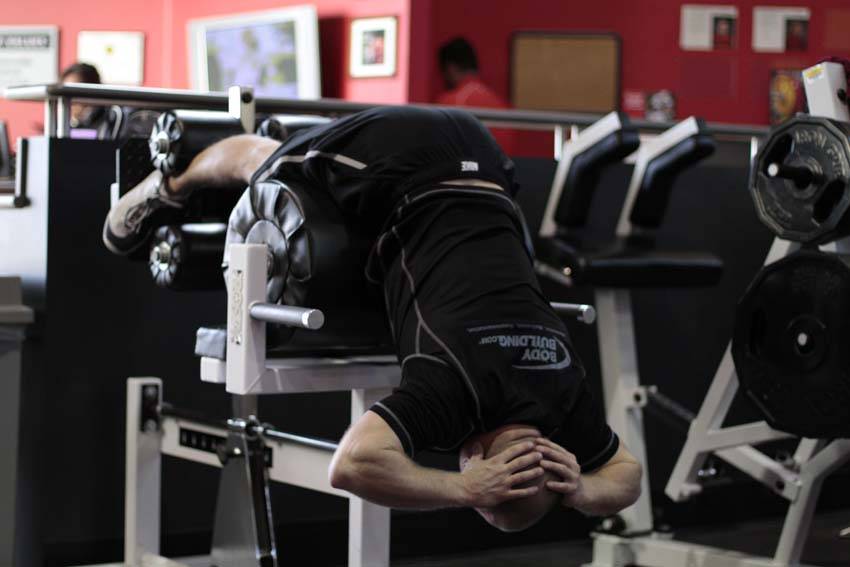
Starting position
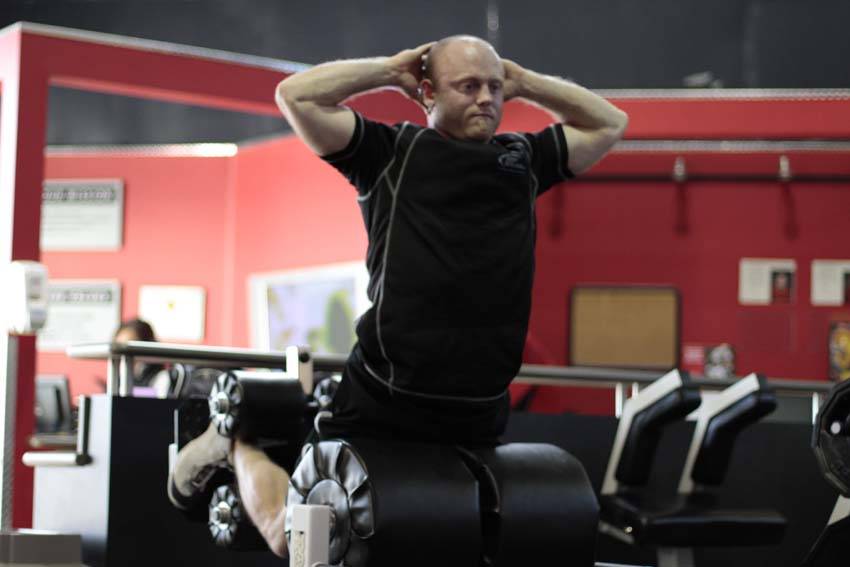
Ending position
Muscles Worked
The hamstrings handles the primary load during this movement. The calves and glutes assist as stabilizers throughout the range of motion.
How to Glute Ham Raise
- 1
Begin by adjusting the equipment to fit your body. Place your feet against the footplate in between the rollers as you lie facedown. Your knees should be just behind the pad.
- 2
Start from the bottom of the movement. Keep your back arched as you begin the movement by flexing the knees. Drive your toes into the foot plate as you do so. Keep your upper body straight, and continue until your body is upright.
- 3
Return to the starting position, keeping your descent under control.
Common Mistakes
- • Brace your core before initiating the movement — maintain tension throughout the entire range of motion.
- • Control the eccentric (lowering) phase for at least 2 seconds to maximize muscle fiber recruitment.
- • Adjust the seat height and pad positions before your working sets — proper alignment prevents joint stress.
- • Squeeze at peak contraction for a full second — this is where most of the growth stimulus occurs.
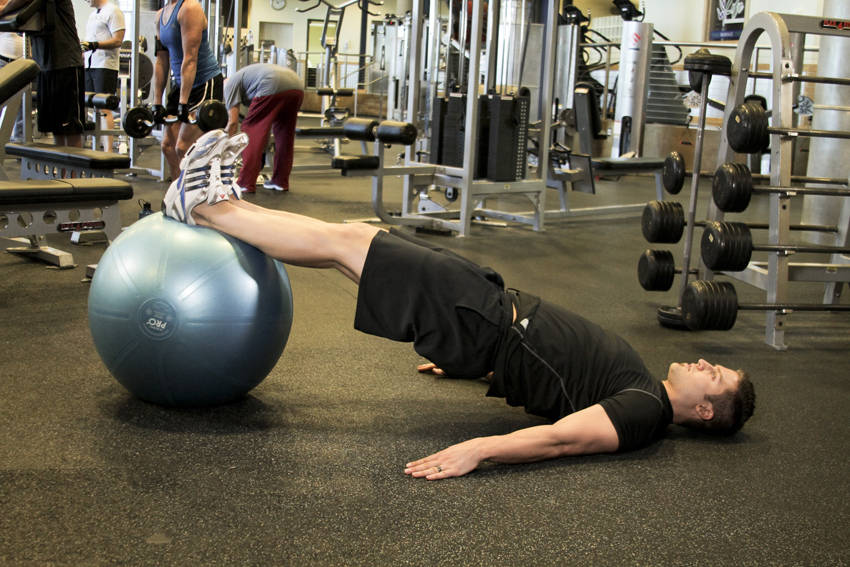
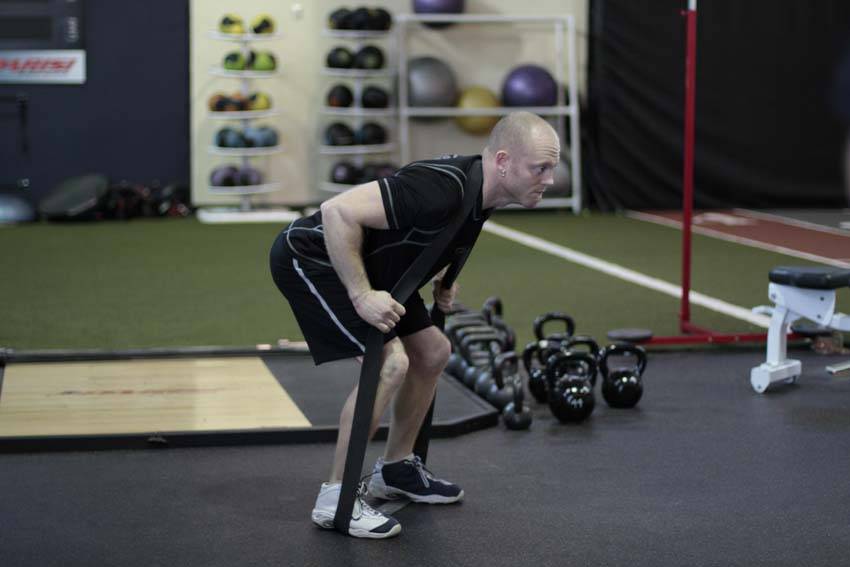
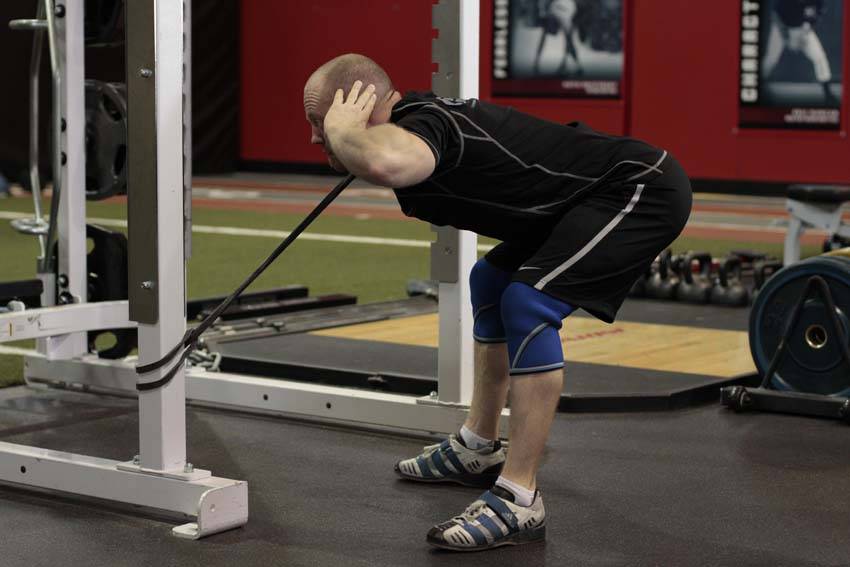
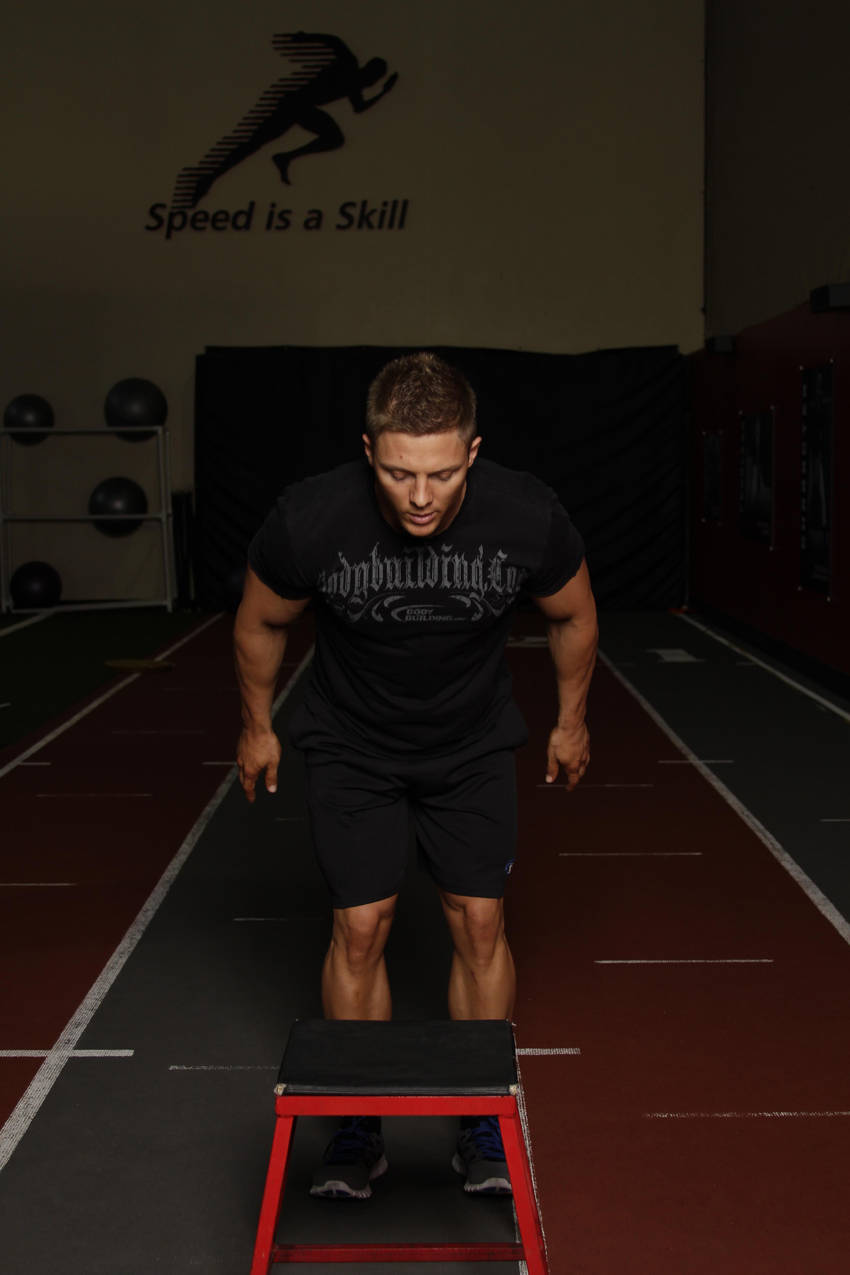
Similar Exercises
Frequently Asked Questions
What muscles does the Glute Ham Raise work?
The Glute Ham Raise primarily works the Hamstrings. Secondary muscles include the Calves, Glutes, which assist during the movement.
Is the Glute Ham Raise good for beginners?
The Glute Ham Raise is rated intermediate. Beginners should build foundational strength with simpler movements first, then progress to this exercise once comfortable with the movement pattern.
What equipment do I need for the Glute Ham Raise?
You need machine to perform the Glute Ham Raise. Most commercial gyms will have this available.
Track Your Progress
RepStack logs every set, calculates your e1RM, and coaches progressive overload — automatically.