Dead Bug
The Dead Bug targets the Abdominals and suits beginner-level lifters. With 7 distinct steps, proper form is straightforward to learn and execute.
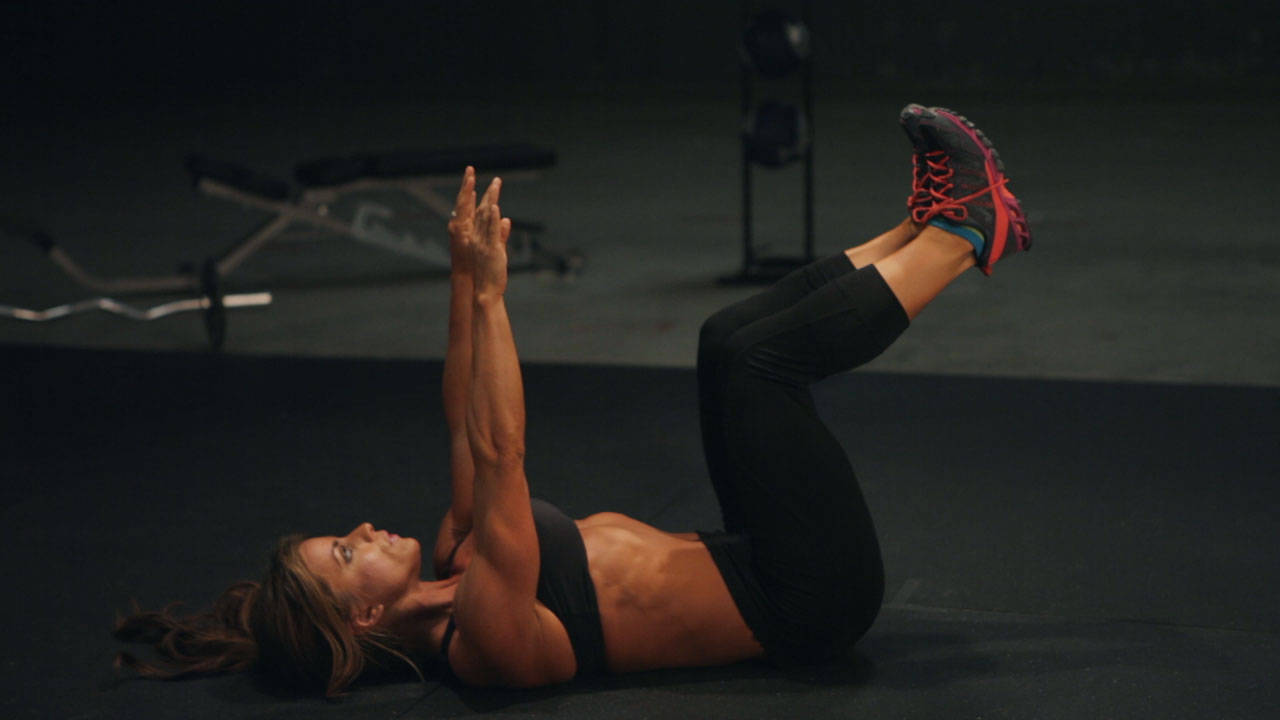
Starting position
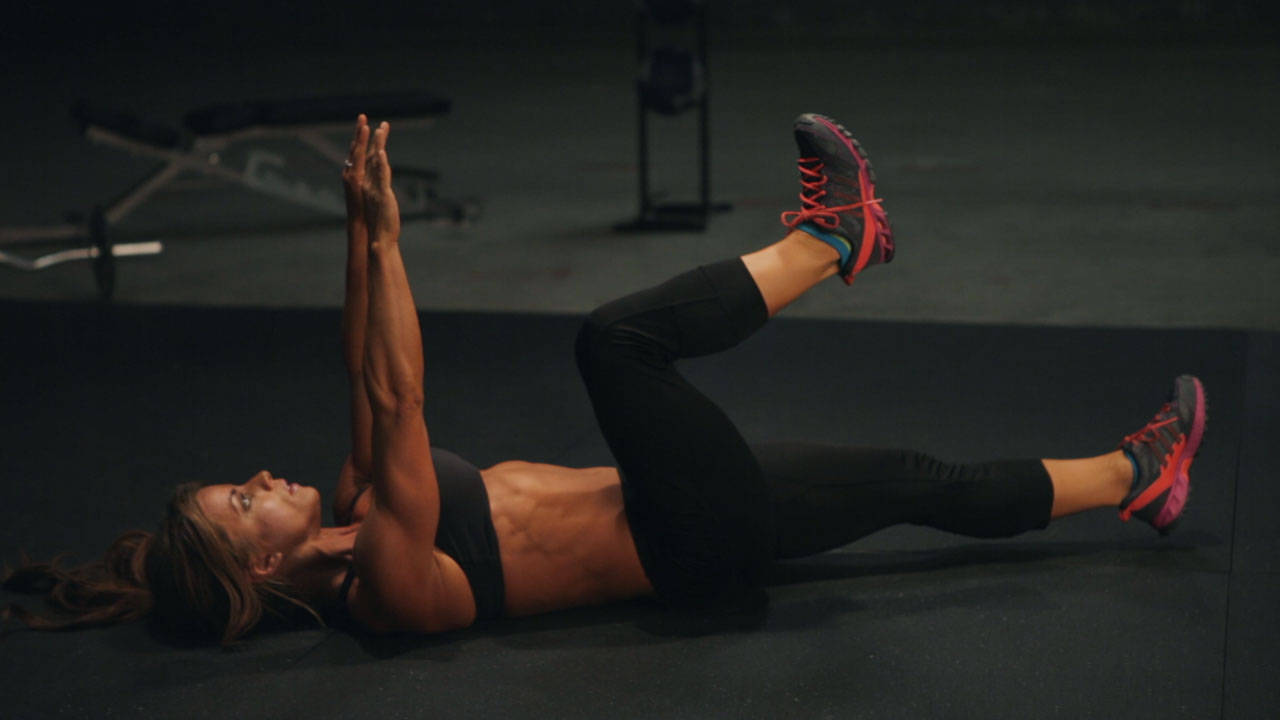
Ending position
Muscles Worked
The abdominals handles the primary load during this movement. This compound movement keeps tension concentrated on a single muscle group.
How to Dead Bug
- 1
Begin lying on your back with your hands extended above you toward the ceiling.
- 2
Bring your feet, knees, and hips up to 90 degrees.
- 3
Exhale hard to bring your ribcage down and flatten your back onto the floor, rotating your pelvis up and squeezing your glutes. Hold this position throughout the movement. This will be your starting position.
- 4
Initiate the exercise by extending one leg, straightening the knee and hip to bring the leg just above the ground.
- 5
Maintain the position of your lumbar and pelvis as you perform the movement, as your back is going to want to arch.
- 6
Stay tight and return the working leg to the starting position.
- 7
Repeat on the opposite side, alternating until the set is complete.
Common Mistakes
- • Brace your core before initiating the movement — maintain tension throughout the entire range of motion.
- • Control the eccentric (lowering) phase for at least 2 seconds to maximize muscle fiber recruitment.
- • If reps become too easy, slow the tempo or add a pause at the hardest point rather than rushing through more reps.
- • Squeeze at peak contraction for a full second — this is where most of the growth stimulus occurs.
Similar Exercises
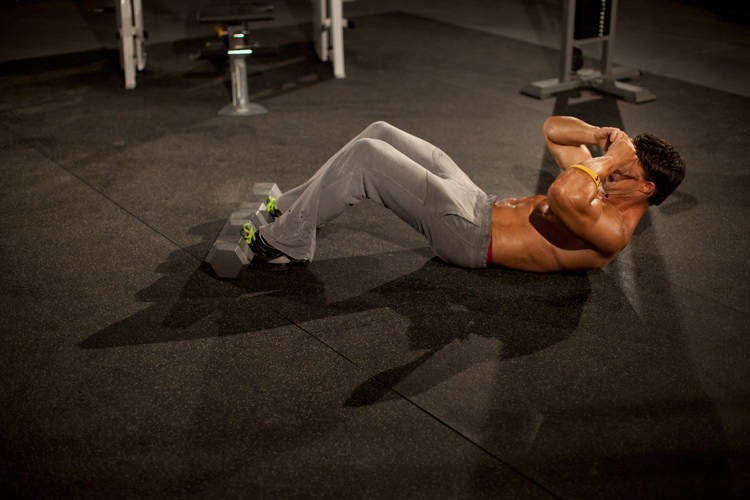
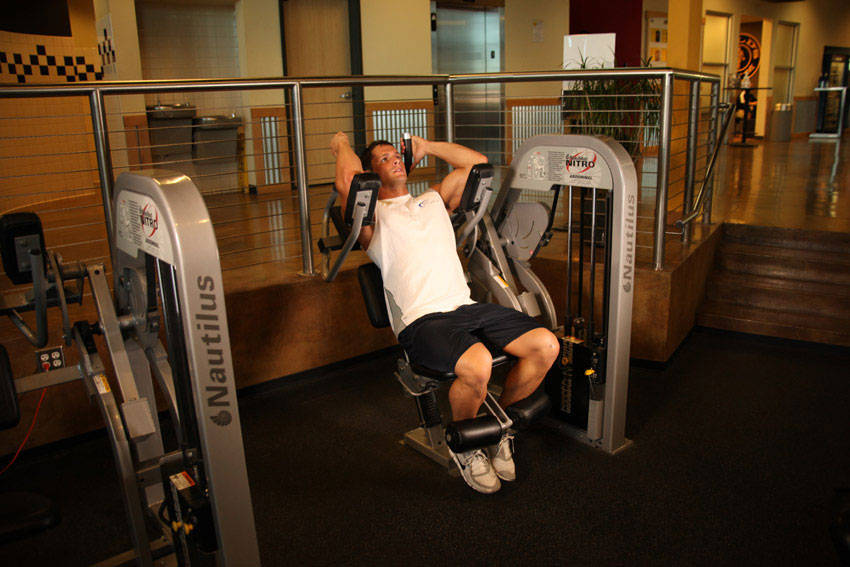
Frequently Asked Questions
What muscles does the Dead Bug work?
The Dead Bug primarily targets the Abdominals. It's an effective compound exercise for building abdominals strength.
Is the Dead Bug good for beginners?
Yes, the Dead Bug is suitable for beginners. Start with light weight to master the 7-step form before adding load.
What equipment do I need for the Dead Bug?
You need no equipment — just your bodyweight to perform the Dead Bug. This makes it ideal for home workouts.
Track Your Progress
RepStack logs every set, calculates your e1RM, and coaches progressive overload — automatically.